
Cleanser, serum and moisturiser matter, but your skin also reflects how you live. A few steady habits can support it from the inside out. None of these are miracle cures, and nothing here replaces advice from your doctor, but they are sensible, low-effort places to start.
1. Sleep
Skin goes into repair mode overnight, and blood flow to the skin increases. Regularly short sleep is linked with a duller, more tired look the next day.
- Keep a regular bedtime and wake time.
- Dim screens an hour before bed.
- Finish your evening ritual with a few slow breaths. Our evening routine is a good wind-down.
2. Water
Drinking enough water supports overall health. It will not replace a moisturiser, but skin that is well hydrated generally feels more comfortable.
- Keep a water bottle where you can see it.
- Go easy on alcohol, which can leave skin looking dehydrated.
3. Food
There is no single skin diet, but a varied pattern rich in vegetables, fruit, whole grains, healthy fats and protein supports the whole body, and skin with it.
- Aim for colour on your plate.
- Include sources of omega-3 fats, such as oily fish, walnuts or flaxseed.
- Limit highly processed foods when you can. If you suspect a food affects your skin, speak to a health professional rather than cutting foods out alone.
4. Stress
Stress shows up in the body, often as a clenched jaw, a furrowed brow and tight shoulders. Many people also notice their skin feels more reactive when they are under pressure.
- Take two-minute breathing breaks.
- Walk outside every day.
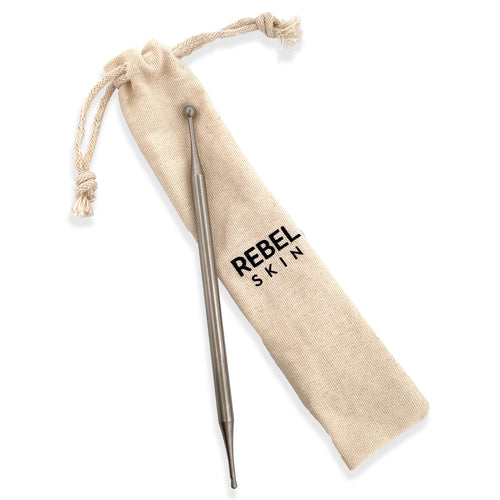
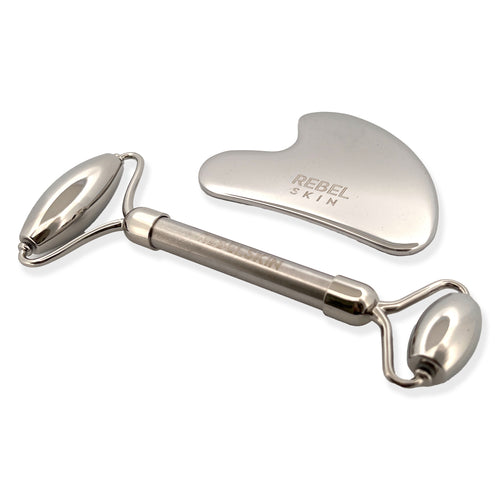
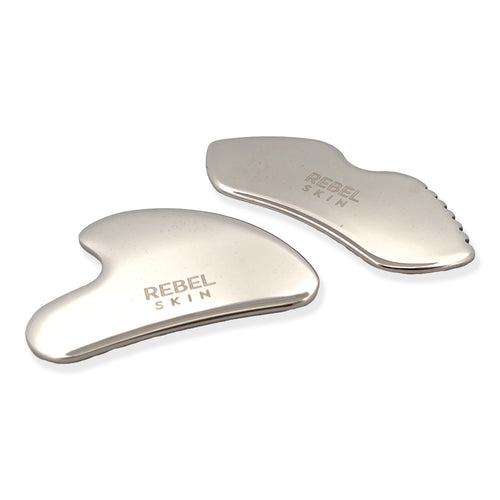
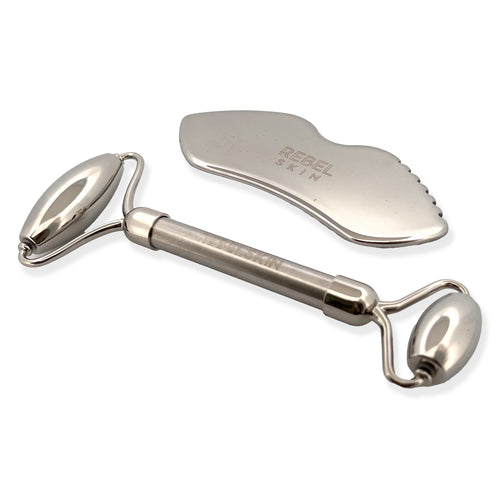
- Release facial tension with our guide to jaw, brow and neck release or a little facial acupressure.
Do not forget the basics
- Sun protection every day.
- Do not smoke. It is one of the most damaging habits for skin.
- Move your body. Regular exercise supports circulation and mood.
A realistic week
Pick one habit. Try it for seven days. Then add another. Small changes you keep beat big changes you drop.
The takeaway: healthy-looking skin is built daily, from your pillow to your plate. Treat your routine as one part of a bigger picture of self-care.
This article is for general information and does not replace medical advice. If you have a skin condition or specific health concern, consult your doctor or dermatologist.